
Gap Year Volunteer Programs With Long-Term Community Benefit
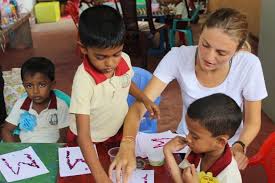
Volunteering during a gap year is no longer just about travel or short-term experiences. Increasingly, young adults are seeking programs that leave a meaningful and lasting impact. Long-term community benefits ensure that volunteer efforts support sustainable development rather than temporary fixes. When Gap Year Volunteer Programs focus on enduring outcomes, both participants and communities gain value, creating a cycle of positive change that extends beyond the volunteer’s presence.
How Do Programs Ensure Lasting Impact on Communities?
Programs that deliver long-term benefits prioritize collaboration with local stakeholders. By working with community leaders, schools, and non-profit organizations, these programs align volunteer efforts with ongoing initiatives. Structured projects, continuous monitoring, and follow-up support ensure that improvements persist over time. Volunteers often participate in capacity-building activities, such as teaching skills, creating resources, or supporting infrastructure, which contribute to a community’s self-sufficiency even after their departure.
Which Sectors Offer the Most Sustainable Volunteer Opportunities?
The effectiveness of long-term impact often depends on the focus area of the volunteer program. Common sectors include education, health, environmental conservation, and economic development. For example, teaching programs that train local instructors create knowledge that continues to benefit students for years. Similarly, environmental projects, such as reforestation or water management, provide measurable ecological improvements that persist beyond the volunteer period. Choosing a sector with clearly defined objectives helps ensure that the contributions are meaningful and measurable.
How Can Volunteers Maximize Their Positive Influence?
Volunteers can enhance the sustainability of their work by approaching projects with awareness and respect. Understanding the local context, cultural norms, and community priorities is crucial. Active engagement, consistent participation, and a willingness to learn from local mentors can amplify the impact. Volunteers who focus on empowerment rather than direct control help build local capacity, ensuring that the community remains capable and resilient long after the gap year ends.
What Role Does Training and Preparation Play in Long-Term Programs?
Preparation is essential for ensuring that volunteer efforts are effective. Responsible programs offer pre-departure training, on-site orientation, and ongoing support to equip participants with the knowledge and skills needed for success. Training may include language acquisition, cultural sensitivity, project management, or technical skills specific to the volunteer work. A well-prepared volunteer is better able to integrate into local communities, contribute effectively, and understand the broader goals of the project.
How Do Long-Term Benefits Affect Community Perception?
Communities tend to respond positively to programs that demonstrate commitment and continuity. Projects with long-term goals foster trust, collaboration, and mutual respect. When communities see tangible improvements from volunteer involvement, it strengthens partnerships and encourages future engagement. Volunteers become part of a shared mission rather than temporary visitors, leading to stronger relationships and lasting positive impressions.
What Metrics Demonstrate the Success of Long-Term Volunteer Programs?
Measuring impact is a key factor in determining the success of a volunteer program. Programs that track outcomes, gather feedback from local stakeholders, and assess skill transfer demonstrate transparency and effectiveness. Metrics might include educational progress, health improvements, ecological restoration, or economic indicators. Reliable evaluation ensures that volunteer contributions are meaningful and helps future programs refine strategies for even greater long-term benefit.
Why Should Gap Year Participants Choose Programs With Lasting Community Impact?
Opting for a program that prioritizes long-term outcomes transforms a gap year from a personal adventure into a mutually beneficial experience. Volunteers gain skills, cultural insight, and personal growth, while communities receive support that lasts well beyond the volunteer’s stay. This approach fosters responsible engagement, meaningful learning, and sustainable change, making the gap year a truly transformative experience for all parties involved.
Gap year volunteer programs designed for long-term community benefit emphasize sustainability, collaboration, and ethical involvement. Choosing such programs ensures that participants contribute meaningfully while leaving a lasting legacy in the communities they serve.