
How This Government Contractor Builds Rail Infrastructure
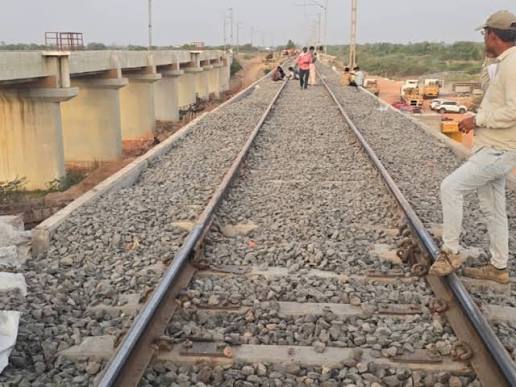
India’s ambitious railway modernisation program has created substantial opportunities for companies specialising in infrastructure project execution, and among the various Railway Stocks that investors monitor within this space, the entity behind one particularly closely tracked RVNL Share Price has established itself as a prominent public sector player in this specialised construction and project management segment. Understanding how this company actually generates revenue and executes its mandate provides essential context for anyone evaluating its role within India’s broader railway development ecosystem. This article examines the company’s core business model and its position within the country’s infrastructure execution landscape.
A Turnkey Project Execution Model
This company is a government-owned entity set up to fast-track railway projects for Indian Railways, and it primarily acts as a project development and execution agency, rather than a construction contractor on a fee-for-service basis. Its scope of work includes new line construction, double-tracking, electrification projects, and bridge-building and station redevelopment works, and various urban rail projects in collaboration with state governments and other public bodies.
The company typically works on a turnkey basis, which means that it is involved in delivering projects from planning and design to construction and handing over to the client, often with multiple contractors and suppliers and government agencies.
As a result, the company does not operate as a specialised construction contractor.
Its revenue stream is driven by the rate at which it undertakes projects and funds the expenditure on railway development works by the government and other public agencies.
So, it is heavily dependent on government policy and spending, as opposed to the demand-driven nature of private construction contractors.
Order Book Strength And Project Pipeline
One of the most critical aspects that determine the future revenue stream for the company is the order book, which represents the total value of projects that have been contracted but not yet completed and accounted for in the revenue.
As this company has strong ties with Indian Railways and state railway departments and other government agencies, it has typically seen a large project pipeline for railway development works across the country.
The company often announces wins in new contracts for various kinds of railway works, from tunnel projects to electrification works in different states and railway zones, which provide a good indication of the overall business environment and railway development works.
The rate at which the company wins new contracts is a crucial determinant of its future growth and performance. Compared to the typical revenues booked by construction contractors on a quarter-by-quarter or year-to-year basis, project-based revenue recognition often has lumpiness because of the nature of contracts, which can make a company’s growth difficult to assess on a quarterly basis.
The healthy pipeline of projects for the company suggests that India’s government will continue to undertake efforts to develop and expand the railway network across the country.
Understanding The Government Relationship
As this company is a government-owned entity, its overall business outlook and volume are closely linked to the government’s infrastructure development and spending. This connection makes it a relatively reliable bet in terms of project pipeline in the long run, given the government’s typically announced commitment to developing the railway network for the country.
However, its reliance on the government can also be a negative factor for its stock price, as the company’s growth trajectory will depend on the government’s budget and fiscal policy decisions.
Positioning Within India’s Broader Infrastructure Story
In terms of a broader infrastructure story for India, this company is one of the best ways for an investor to gain exposure to the country’s railway development push.
The company has extensive railway works coverage across the country in terms of states and railway infrastructure types.
Understanding its business model with its turnkey approach to railway project development and execution and its dependence on continued government infrastructure spending commitments will help an investor understand the long-term growth prospects for the company, besides the quarter-to-quarter variations and valuation nuances for its stock that may be considered separately.