
The Human Touch: Balancing AI Audio Tools in Creative Production
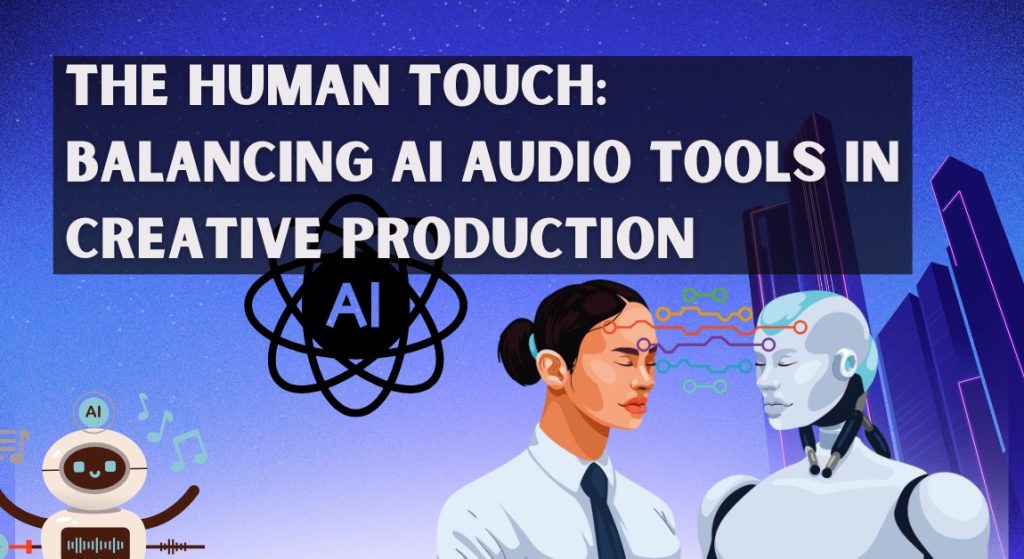
The music and sound industries have changed a lot in the last few years thanks to the rise of AI audio creation tools. With these cutting-edge tools, content creators can make high-quality content faster and more efficiently than ever before. But even though these tools are useful, they might take away from the creative process the human touch. So, how can we find a good mix between AI and human creativity when making music?
This article talks about how AI can help people be more creative and, more importantly, how we can add a personal touch to content that is generated by AI.
How AI Enhances Human Creativity in Audio Production
These AI audio production tools aren’t meant to replace artists; instead, they’re meant to help them be more creative. These tools help sound designers, audio engineers, and musicians automate boring chores so they have more time to work on creative parts of their jobs.
The creation of audio content is a significant way that AI encourages creativity. AI-powered voice synthesis optimization, for example, lets artists make voices that sound real, even in languages they don’t speak. Imagine a music producer who needs to make a voiceover for a foreign ad campaign but doesn’t have access to a native speaker. AI tools can look at the tone, phrasing, and speed of speech to make sure the sound is real.
AI music production can also help make loops of instruments, melodies, and even complex soundscapes. These AI tools can make music that sounds like any genre or style the artist wants because their algorithms have been taught on millions of songs. AI tools can help you make modern pop songs by suggesting chord progressions, melody lines, and even rhythmic rhythms that are in style at the moment.
Anyway, AI can make these parts, but it’s still up to the human artist to choose how to use them. The real power to be creative comes in how we shape and change AI-made content to fit our own vision.
Humans and AI Working Together in Creative Audio Processes
AI tools work best when they are used to help people, not replace them. The future of making music is when people and machines work together to make the best use of each other’s skills.
AI tools can automate time-consuming tasks in the audio production workflow, such as mixing, mastering, or getting rid of background noise. Producers can save hours of work and make sure the quality of their audio stays good by using AI-powered audio post-production tools. AI algorithms can, for instance, change the volume levels of different instruments automatically, get rid of background noise in records, and even add subtle effects like reverb and compression.
But even though AI does these boring jobs, a human artist still adds the magic. You can direct the AI to work with your creative goals by choosing what to improve or tweak. It’s not that AI should take over; the goal is to speed up the process and leave more room for creativity.
AI also helps improve sound design automation, which is a tool that makes it easy for sound designers to come up with new sounds. Machine learning lets AI tools figure out what makes different sounds unique so they can copy them or change them into something completely different. As an example, an AI program could take the sound of a piano and turn it into a synth pad from the future. This would give the sound a new life.
Exploring the World of AI Audio Tools
As AI becomes more popular in audio production, it can feel a bit overwhelming to sift through all the different tools out there. You can visit AIDirectory, which is super helpful in situations like this. It’s a carefully put together list of AI tools that can help you discover just the right solution for your audio production needs.
When you mix human creativity with AI efficiency, audio production can really soar to new levels. Check out the world of AI audio tools and discover some cool possibilities for your next project.
How to Add a Human Touch to AI-Generated Audio Content
AI has a lot of benefits, but it can be hard to keep a personal, human touch in the end result. These are some suggestions for adding personality and feeling to audio content made by AI:
1. Manipulate AI-Generated Sounds
Even the most lifelike AI-generated voice or sound can benefit from a little human manipulation. You can take an AI-generated melody or voice and tweak it to match your creative vision. Experiment with pitch, speed, and effects. Adding slight imperfections to the AI-generated sound can make it feel more human and authentic. For example, a small change in timing or pitch can make a voiceover sound less robotic and more natural.
2. Use AI as a Tool, Not a Crutch
AI should never replace the creativity of the human artist. While AI tools can assist with generating ideas, the final artistic direction should always come from the creator. Using AI to spark inspiration, then adding your own edits and emotions to the final piece, ensures that your content retains a personal touch. Think of AI as your assistant – it does a lot of the heavy lifting, but you remain the director of the creative process.
3. Layer Human Elements with AI Tools
One of the most effective ways to give AI-generated audio a human feel is by layering it with real human elements. For example, you could blend AI-generated voices or sounds with live recordings from real instruments or voice artists. This hybrid approach combines the best of both worlds, allowing you to benefit from the efficiency of AI while retaining the warmth and authenticity of live recordings.
4. Add Imperfections
One of the defining characteristics of human-created music is its imperfections. Perfectly quantized beats, flawless pitch, and pristine timing can sometimes feel too sterile. To make AI-generated music feel more human, you can add subtle imperfections like offbeat rhythms, slight pitch variations, or even intentionally “flawed” performances. These imperfections give the piece a sense of spontaneity and warmth that is often lacking in purely AI-generated content.
5. Focus on Emotion
AI is excellent at generating content based on patterns, but it can’t replicate the emotional depth that comes from a human creator. When working with AI-generated audio, focus on the emotional aspect of the piece. How do you want your audience to feel when they listen? By infusing your own emotions into the creation and fine-tuning elements like dynamics, pacing, and harmonies, you can create a piece that resonates deeply with listeners, even though parts of it were generated by AI.
Collaborating on Audio Production with Humans and AI in the Future
In the future, AI will play a bigger part in making music. As AI gets smarter, it will be able to learn and change based on the tastes and styles of different makers, making each experience truly unique. AI voice creation, sound design automation, and creative audio technology have a lot of promise.
No matter how smart it is, AI will always need to be led by a person. The future will be a symbiotic one, where people and AI work together to make new and interesting sound experiences. By working together, artists will be able to discover new creative horizons that combine the endless possibilities of AI with the unique qualities of human creativity.
Wrapping It Up
AI audio production tools have certainly transformed the way audio content is created, but the human touch remains indispensable in the creative process. By leveraging AI as a tool to enhance creativity, automate repetitive tasks, and optimize production workflows, artists can focus on what they do best—crafting emotionally resonant, authentic content. It’s all about finding that sweet spot where technology and human creativity meet. So, as AI continues to evolve, the question remains: how will you bring your own unique touch to AI-generated content?